Introduction
In the dynamic landscape of manufacturing, Artificial Intelligence (AI) has emerged as a game-changer, transforming traditional processes and unlocking unprecedented efficiency. This article explores four crucial AI use cases in manufacturing: Predictive Maintenance, Inventory Management, Production Planning, and Procurement. By leveraging advanced algorithms and data analytics, AI is reshaping the manufacturing industry, optimizing operations, and paving the way for a more resilient and agile future.
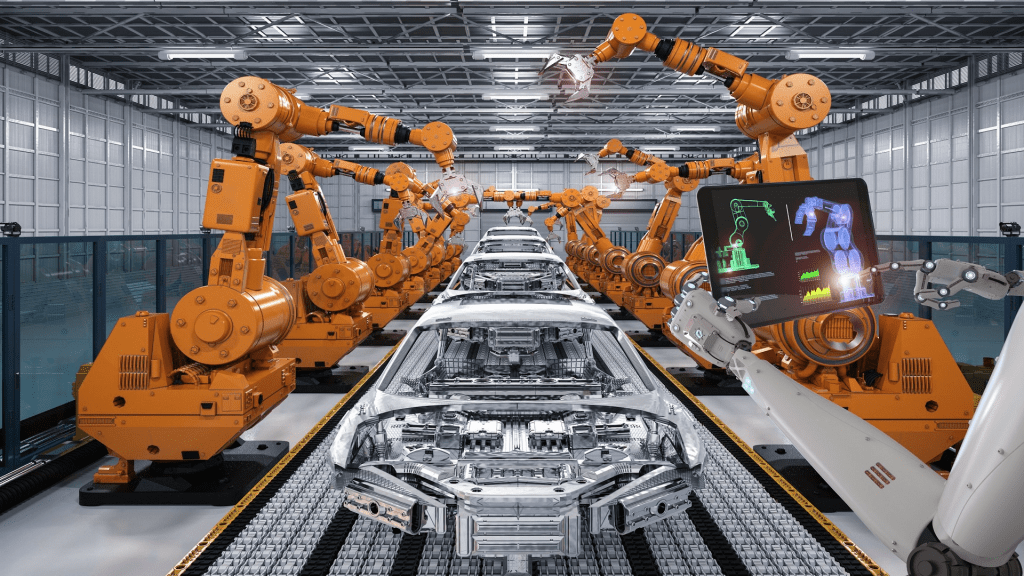
AI in Predictive Maintenance: Ensuring Operational Continuity
Predictive Maintenance is a cornerstone of AI applications in manufacturing, aimed at preventing equipment failures and minimizing downtime. AI in predictive maintenance helps By harnessing machine learning algorithms, manufacturers can predict when equipment is likely to fail, allowing for proactive maintenance measures.
Benefits of AI in Predictive Maintenance
- Reduced Downtime: AI enables real-time monitoring of equipment conditions, identifying potential issues before they escalate. This results in reduced unplanned downtime, ensuring continuous operational efficiency.
- Optimized Maintenance Schedules: AI algorithms analyze historical data to determine the optimal time for maintenance activities. This not only minimizes disruptions but also extends the lifespan of equipment, reducing overall maintenance costs.
- Cost Savings: Proactive maintenance and reduced downtime translate to significant cost savings for manufacturers. Unplanned breakdowns are not only expensive to fix but can also result in production delays and loss of revenue.
AI in Inventory Management: Streamlining Supply Chain Operations
Efficient Inventory Management is critical for maintaining a streamlined supply chain. AI in inventory management enhances the process by providing real-time insights, demand forecasting, and optimizing stock levels, ensuring that manufacturers meet customer demands without excess inventory.
Benefits of AI in Inventory Management
- Optimized Stock Levels: AI algorithms analyze historical sales data, current demand, and market trends to optimize inventory levels. This prevents overstocking or understocking, leading to cost savings and improved cash flow.
- Enhanced Demand Forecasting: AI’s predictive capabilities enable more accurate demand forecasting. Manufacturers can anticipate fluctuations in demand, plan production accordingly, and reduce the risk of stockouts or excess inventory.
- Reduced Holding Costs: By maintaining optimal inventory levels, manufacturers minimize holding costs associated with warehouse space, insurance, and handling. This lean approach contributes to improved overall operational efficiency.
AI in Production Planning: Smart and Adaptive Manufacturing
AI in production planning optimizes manufacturing processes by analyzing various factors, including production capacity, resource availability, and market demand. This ensures that manufacturers produce goods efficiently while adapting to changing conditions.
Benefits of AI in Production Planning
- Dynamic Scheduling: AI adapts production schedules in real-time based on changing variables. This flexibility allows manufacturers to respond swiftly to unforeseen events, such as machine breakdowns or changes in demand.
- Resource Optimization: AI optimizes the allocation of resources, including machinery, labor, and materials, to maximize efficiency. This results in reduced production costs and improved overall resource utilization.
- Improved Quality Control: AI enhances quality control by continuously monitoring production processes. Manufacturers can detect defects or deviations from quality standards in real-time, ensuring that only high-quality products reach the market.
AI in Procurement: Strategic Sourcing and Cost Savings
AI in procurement transforms the process by automating tasks, analyzing supplier data, and optimizing sourcing strategies. This ensures that manufacturers source materials efficiently, negotiate favorable terms, and maintain a resilient and cost-effective supply chain.
Benefits of AI in Procurement
- Cost Reduction: AI analyzes supplier performance, market trends, and pricing data to identify cost-saving opportunities. This strategic approach to procurement results in reduced costs and improved profitability.
- Supplier Relationship Management: AI facilitates effective supplier relationship management by evaluating supplier performance, assessing risks, and identifying opportunities for collaboration. This strengthens long-term partnerships and enhances overall supply chain resilience.
- Real-time Market Insights: AI monitors market conditions and supplier dynamics in real-time. Manufacturers can leverage this information to make informed procurement decisions, adapt to market changes, and capitalize on strategic opportunities.
Conclusion
As the manufacturing industry embraces the era of AI, the benefits derived from predictive maintenance, inventory management, production planning, and procurement are reshaping operational paradigms. The synergy between human expertise and AI capabilities positions manufacturers to navigate the complexities of the modern manufacturing landscape with precision and agility. The transformative impact of AI is not only optimizing current processes but also laying the foundation for a future where smart manufacturing is synonymous with efficiency, resilience, and sustainable growth. The journey towards an AI-driven manufacturing revolution has just begun, promising a future where innovation and optimization go hand in hand, shaping the industry for years to come.
 Tech Knowledge