Introduction: In the ever-evolving landscape of finance, Artificial Intelligence (AI) has emerged as a transformative force, reshaping traditional processes and introducing unprecedented efficiency. This article delves into the compelling use cases of AI in finance, spotlighting its role in revolutionizing demand forecasting, asset management, private equity, portfolio management, due diligence, fraud detection, and risk management.
AI in Demand Forecasting: AI in demand forecasting has become pivotal for financial institutions seeking to optimize inventory and supply chain management. By analyzing historical data and identifying patterns, AI algorithms enhance accuracy, allowing businesses to make informed decisions, reduce operational costs, and minimize excess inventory.
Generative AI in Asset Management: The utilization of Generative AI in asset management marks a groundbreaking shift in strategy. These algorithms create synthetic data to train models, enabling a more comprehensive understanding of market trends. By simulating various scenarios, asset managers can make more nuanced predictions and strategic investment decisions.
AI Use Cases in Private Equity and Principal Investment: AI in Private equity and principal investment is increasingly playing a vital role. From deal sourcing to evaluating potential investments, AI algorithms analyze vast datasets, offering valuable insights. This streamlines decision-making processes, leading to more informed investment choices and improved overall portfolio performance.
AI for Portfolio Management: AI for portfolio management has made a profound transformation in this sector. Advanced algorithms assess market conditions, analyze historical performance, and predict future trends. This enables portfolio managers to make dynamic adjustments, optimizing returns and minimizing risks for investors.
AI in Due Diligence: AI in due diligence processes is indispensable. Automating data analysis and streamlining document review accelerates the due diligence phase, ensuring thorough scrutiny of potential investments. This not only saves time but also enhances the accuracy of evaluations, contributing to more robust investment decisions.
AI in Fraud Detection: Financial institutions face constant threats of fraud, making the integration of AI in fraud detection crucial. Machine learning algorithms analyze transaction patterns, detect anomalies, and identify potential fraudulent activities in real-time. This proactive approach helps mitigate risks and protect both financial institutions and their clients.
AI in Risk Management: AI in risk management has proven to be a game-changer in this domain of financial operations. By analyzing historical data and identifying potential risks, AI models empower financial institutions to make data-driven decisions, ensuring a proactive and adaptive approach to risk mitigation.
Conclusion: As we navigate the dynamic landscape of the financial world, the incorporation of AI continues to redefine industry norms. From demand forecasting to risk management, AI’s versatility and analytical prowess have become indispensable tools for financial institutions seeking a competitive edge. As we move forward, embracing these transformative technologies will be paramount for those aiming not just to survive but to thrive in the ever-evolving financial ecosystem.
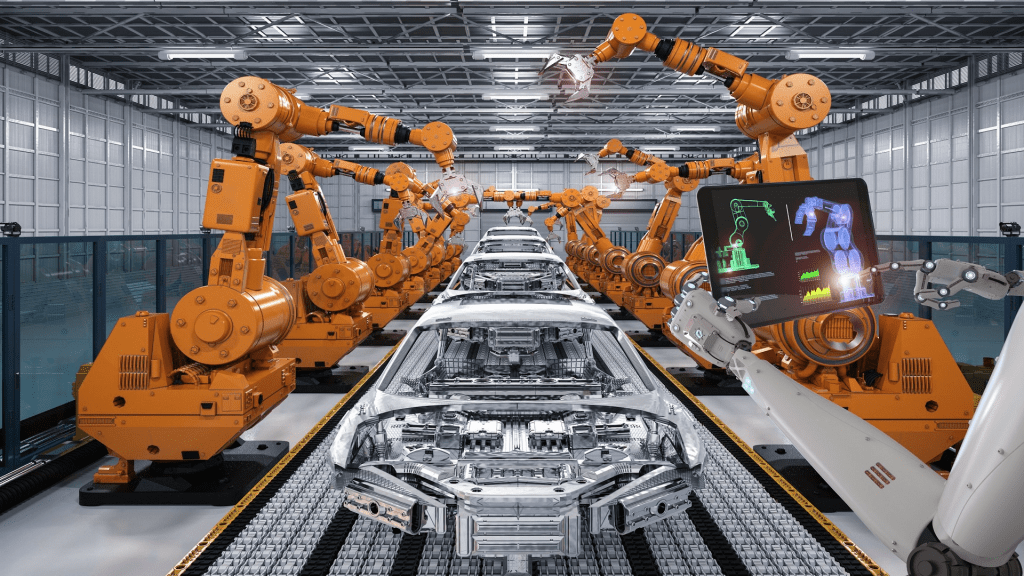
In the dynamic landscape of manufacturing, Artificial Intelligence (AI) has emerged as a game-changer, transforming traditional processes and unlocking unprecedented efficiency. This article explores four crucial AI use cases in manufacturing: Predictive Maintenance, Inventory Management, Production Planning, and Procurement. By leveraging advanced algorithms and data analytics, AI is reshaping the manufacturing industry, optimizing operations, and paving the way for a more resilient and agile future.
AI in Predictive Maintenance: Ensuring Operational Continuity
Predictive Maintenance is a cornerstone of AI applications in manufacturing, aimed at preventing equipment failures and minimizing downtime. AI in predictive maintenance helps By harnessing machine learning algorithms, manufacturers can predict when equipment is likely to fail, allowing for proactive maintenance measures.
Benefits of AI in Predictive Maintenance
Reduced Downtime: AI enables real-time monitoring of equipment conditions, identifying potential issues before they escalate. This results in reduced unplanned downtime, ensuring continuous operational efficiency.
Optimized Maintenance Schedules: AI algorithms analyze historical data to determine the optimal time for maintenance activities. This not only minimizes disruptions but also extends the lifespan of equipment, reducing overall maintenance costs.
Cost Savings: Proactive maintenance and reduced downtime translate to significant cost savings for manufacturers. Unplanned breakdowns are not only expensive to fix but can also result in production delays and loss of revenue.
AI in Inventory Management: Streamlining Supply Chain Operations
Efficient Inventory Management is critical for maintaining a streamlined supply chain. AI in inventory management enhances the process by providing real-time insights, demand forecasting, and optimizing stock levels, ensuring that manufacturers meet customer demands without excess inventory.
Benefits of AI in Inventory Management
Optimized Stock Levels: AI algorithms analyze historical sales data, current demand, and market trends to optimize inventory levels. This prevents overstocking or understocking, leading to cost savings and improved cash flow.
Enhanced Demand Forecasting: AI’s predictive capabilities enable more accurate demand forecasting. Manufacturers can anticipate fluctuations in demand, plan production accordingly, and reduce the risk of stockouts or excess inventory.
Reduced Holding Costs: By maintaining optimal inventory levels, manufacturers minimize holding costs associated with warehouse space, insurance, and handling. This lean approach contributes to improved overall operational efficiency.
AI in Production Planning: Smart and Adaptive Manufacturing
AI in production planning optimizes manufacturing processes by analyzing various factors, including production capacity, resource availability, and market demand. This ensures that manufacturers produce goods efficiently while adapting to changing conditions.
Benefits of AI in Production Planning
Dynamic Scheduling: AI adapts production schedules in real-time based on changing variables. This flexibility allows manufacturers to respond swiftly to unforeseen events, such as machine breakdowns or changes in demand.
Resource Optimization: AI optimizes the allocation of resources, including machinery, labor, and materials, to maximize efficiency. This results in reduced production costs and improved overall resource utilization.
Improved Quality Control: AI enhances quality control by continuously monitoring production processes. Manufacturers can detect defects or deviations from quality standards in real-time, ensuring that only high-quality products reach the market.
AI in Procurement: Strategic Sourcing and Cost Savings
AI in procurement transforms the process by automating tasks, analyzing supplier data, and optimizing sourcing strategies. This ensures that manufacturers source materials efficiently, negotiate favorable terms, and maintain a resilient and cost-effective supply chain.
Benefits of AI in Procurement
Cost Reduction: AI analyzes supplier performance, market trends, and pricing data to identify cost-saving opportunities. This strategic approach to procurement results in reduced costs and improved profitability.
Supplier Relationship Management: AI facilitates effective supplier relationship management by evaluating supplier performance, assessing risks, and identifying opportunities for collaboration. This strengthens long-term partnerships and enhances overall supply chain resilience.
Real-time Market Insights: AI monitors market conditions and supplier dynamics in real-time. Manufacturers can leverage this information to make informed procurement decisions, adapt to market changes, and capitalize on strategic opportunities.
Conclusion
As the manufacturing industry embraces the era of AI, the benefits derived from predictive maintenance, inventory management, production planning, and procurement are reshaping operational paradigms. The synergy between human expertise and AI capabilities positions manufacturers to navigate the complexities of the modern manufacturing landscape with precision and agility. The transformative impact of AI is not only optimizing current processes but also laying the foundation for a future where smart manufacturing is synonymous with efficiency, resilience, and sustainable growth. The journey towards an AI-driven manufacturing revolution has just begun, promising a future where innovation and optimization go hand in hand, shaping the industry for years to come.
Artificial Intelligence (AI) has become an integral part of the financial landscape, reshaping strategies and fortifying risk management practices. From demand forecasting to asset management, private equity to portfolio management, due diligence to fraud detection, and risk management, AI is revolutionizing the way financial institutions operate. In this article, we will explore the transformative use cases of AI in finance, focusing on demand forecasting, asset management, private equity, portfolio management, due diligence, fraud detection, and risk management.
AI in Demand Forecasting
Demand forecasting is a critical aspect of financial planning, and AI in demand forecasting, brings unprecedented accuracy and efficiency to this process:
a. Generative AI in Asset Management: Generative AI plays a crucial role in asset management by creating realistic scenarios and simulations. This enables financial professionals to explore various investment strategies, assess potential risks, and make informed decisions based on the generated insights.
b. Improved Predictions and Analysis: AI algorithms analyze historical data, market trends, and external factors to make accurate predictions about future demand. This is particularly valuable in financial markets where understanding consumer behavior and market dynamics is essential for successful investment strategies.
c. Enhanced Risk Mitigation: By identifying potential demand fluctuations and market trends, AI assists financial institutions in developing more robust risk mitigation strategies. This proactive approach allows for better preparation for market uncertainties, ultimately safeguarding investments.
AI in Asset Management
AI in asset management is transforming it by introducing generative capabilities, enabling financial professionals to simulate and evaluate diverse investment scenarios:
a. Dynamic Portfolio Optimization: Generative AI in asset management allows for dynamic optimization of investment portfolios. By simulating various market conditions and scenarios, financial professionals can adjust portfolio allocations in real-time, ensuring optimal performance in changing market landscapes.
b. Risk Analysis and Scenario Planning: Generative AI enables risk analysis by simulating potential market movements and economic scenarios. This assists asset managers in developing comprehensive risk mitigation strategies and scenario planning for more resilient portfolios.
c. Efficient Decision-Making: AI-generated insights provide asset managers with a data-driven foundation for decision-making. This enhances the efficiency of the decision-making process, enabling faster responses to market changes and ensuring that investment decisions align with organizational goals.
AI Use Cases in Private Equity and Principal Investment
a. Deal Sourcing and Evaluation: AI algorithms analyze vast datasets to identify potential investment opportunities, screening companies based on predefined criteria. This accelerates the deal sourcing process and ensures that private equity firms focus on high-potential opportunities.
b. Risk Assessment: AI in private equity assesses risks associated with potential investments by analyzing financial data, market trends, and industry dynamics. This comprehensive risk assessment ensures that investors make well-informed decisions, mitigating the likelihood of unsuccessful investments.
c. Enhanced Due Diligence: AI streamlines due diligence processes by automating data analysis and verification. This accelerates the evaluation of target companies, providing investors with a thorough understanding of the opportunities and risks associated with potential investments.
a. Personalized Investment Strategies: AI tailors investment strategies based on individual client profiles, considering factors such as risk tolerance, financial goals, and market conditions. This personalized approach ensures that portfolios align with the unique circumstances and objectives of each investor.
b. Continuous Monitoring and Adjustments: AI monitors market conditions, economic indicators, and portfolio performance in real-time. This allows for dynamic adjustments to investment strategies, ensuring that portfolios remain aligned with changing market dynamics and investor preferences.
c. Optimization of Asset Allocations: AI algorithms optimize asset allocations within portfolios by considering various factors, including risk, return expectations, and market conditions. This results in more balanced and diversified portfolios, enhancing overall performance.
AI in Due Diligence
AI in Due diligence, has expedited and fortified a critical phase in financial decision-making:
a. Automated Document Analysis: AI automates the analysis of extensive documentation during due diligence processes. This accelerates the evaluation of legal, financial, and operational aspects, providing investment professionals with comprehensive insights in a shorter timeframe.
b. Data Verification and Validation: AI enhances due diligence by verifying and validating data from various sources. This reduces the risk of relying on inaccurate or incomplete information, ensuring that investment decisions are based on reliable data.
c. Fraud Detection and Risk Mitigation: AI in due diligence incorporates advanced analytics to detect potential fraud and assess associated risks. This ensures that investors are well-informed about the integrity of potential investments, mitigating the likelihood of financial losses.
AI in Fraud Detection
The financial industry faces constant threats from fraudulent activities, and AI in fraud detection ,is a powerful ally in identifying and preventing such incidents:
a. Anomaly Detection: AI algorithms analyze transaction patterns, user behavior, and historical data to identify anomalies that may indicate fraudulent activities. This real-time analysis enables financial institutions to swiftly detect and respond to potential threats.
b. Behavioral Analytics: AI in fraud detection utilizes behavioral analytics to understand normal user behavior. Any deviations from established patterns are flagged as potential fraud, allowing for timely intervention and mitigation of risks.
c. Pattern Recognition: AI excels in recognizing patterns associated with known fraud tactics. By continuously learning from historical data, AI systems can adapt to new fraud schemes and evolve their detection capabilities, staying ahead of emerging threats.
AI in Risk Management
AI in risk management is transformative, providing a proactive and data-driven approach to identifying, assessing, and mitigating risks:
a. Credit Risk Assessment: AI assesses credit risk by analyzing financial data, payment history, and other relevant information. This provides financial institutions with a comprehensive understanding of the creditworthiness of individuals and businesses, enabling more informed lending decisions.
b. Market Risk Analysis: AI evaluates market conditions, economic indicators, and external factors to assess potential market risks. This proactive approach allows financial institutions to adjust investment strategies and manage risks effectively in response to changing market dynamics.
c. Operational Risk Mitigation: AI in risk management identifies potential operational risks by analyzing internal processes, systems, and external factors. This ensures that financial institutions can implement measures to mitigate operational risks and maintain the stability of their operations.
Conclusion
The transformative impact of AI on the finance sector is evident in its diverse applications, from demand forecasting and asset management to private equity, portfolio management, due diligence, fraud detection, and risk management. By harnessing the power of AI, financial institutions can optimize their operations, make data-driven decisions, and safeguard investments against potential risks. As the finance industry continues to embrace the capabilities of AI, it is poised for a future where innovation and strategic decision-making converge to redefine the landscape of financial services. The synergy between human expertise and AI technologies marks a new era in finance, where efficiency, accuracy, and resilience become the cornerstones of success.
The manufacturing industry is undergoing a profound transformation with the integration of Artificial Intelligence (AI). AI technologies are reshaping various aspects of manufacturing, enhancing efficiency, reducing costs, and improving overall productivity. In this article, we will delve into four crucial use cases of AI in manufacturing, focusing on predictive maintenance, inventory management, production planning, and procurement.
AI in Predictive Maintenance
Predictive maintenance is a critical aspect of modern manufacturing, aiming to predict equipment failures before they occur, minimizing downtime, and optimizing maintenance schedules. AI in predictive maintenance plays a pivotal role in revolutionizing it through the following mechanisms:
a. Condition Monitoring: AI-powered sensors and IoT devices are deployed on manufacturing equipment to continuously monitor their condition. These devices collect real-time data on various parameters such as temperature, vibration, and performance. AI algorithms analyze this data, identifying patterns and anomalies that may indicate potential issues.
b. Predictive Analytics: Utilizing machine learning algorithms, predictive analytics assess historical data to predict when equipment is likely to fail. By considering patterns and trends, AI systems can provide accurate predictions, allowing manufacturers to schedule maintenance activities during planned downtime, minimizing disruptions to production.
c. Prescriptive Maintenance: AI not only predicts potential failures but also offers prescriptive insights on the best course of action. By analyzing historical maintenance data, equipment performance, and environmental conditions, AI systems can recommend optimal maintenance strategies, ensuring that resources are used efficiently.
d. Reduced Downtime and Costs: Implementing AI in predictive maintenance significantly reduces unplanned downtime, as maintenance activities are scheduled based on actual equipment conditions. This leads to cost savings, improved asset reliability, and enhanced overall operational efficiency.
AI in Inventory Management
Effective inventory management is crucial for maintaining seamless production processes while minimizing carrying costs. AI in inventory management provides advanced tools for optimization, demand forecasting, and real-time decision-making:
a. Demand Forecasting: AI algorithms analyze historical sales data, market trends, and external factors to predict future demand accurately. This helps manufacturers optimize inventory levels, preventing overstocking or stockouts and ensuring that the right amount of raw materials or finished goods is available when needed.
b. Dynamic Inventory Optimization: AI continuously evaluates inventory levels and adjusts them dynamically based on changing demand patterns. This real-time optimization ensures that inventory is aligned with current market conditions, reducing holding costs and improving cash flow.
c. Supplier Collaboration: AI facilitates collaboration with suppliers by providing real-time insights into inventory levels and demand forecasts. This enables a more agile and responsive supply chain, fostering stronger relationships with suppliers and ensuring a smoother flow of materials.
d. Reduction in Holding Costs: By optimizing inventory levels and preventing excess stock, AI helps manufacturers reduce holding costs associated with storage, insurance, and depreciation. This results in improved profitability and resource allocation.
AI in Production Planning
Efficient production planning is vital for meeting customer demands, minimizing lead times, and optimizing resource utilization. AI in production planning introduces intelligence into processes through the following mechanisms:
a. Demand-Side Planning: AI analyzes customer orders, market demand, and historical sales data to create accurate demand forecasts. This information is then used to develop production plans that align with actual market needs, reducing the risk of overproduction or stockouts.
b. Resource Optimization: AI algorithms consider various factors, such as machine capacity, labor availability, and raw material availability, to optimize production schedules. This ensures that resources are allocated efficiently, reducing idle time and enhancing overall production efficiency.
c. Dynamic Scheduling: AI enables dynamic scheduling, allowing manufacturers to adapt quickly to changing circumstances. Whether it’s unexpected machine breakdowns, changes in demand, or supply chain disruptions, AI-driven production planning can adjust schedules in real-time to maintain optimal efficiency.
d. Improved Lead Times: By streamlining production planning processes and minimizing bottlenecks, AI contributes to reduced lead times. This agility in production planning allows manufacturers to respond promptly to market changes and deliver products to customers more quickly.
AI in Procurement
Effective procurement is essential for securing the necessary raw materials and components to support manufacturing operations. AI in procurement transforms these processes by introducing automation, data-driven decision-making, and enhanced collaboration:
a. Supplier Risk Management: AI analyzes data from various sources, including market trends, geopolitical factors, and supplier performance, to assess and manage supplier risks. This proactive approach helps manufacturers mitigate potential disruptions in the supply chain.
b. Cost Optimization: AI-driven tools evaluate supplier quotes, historical pricing data, and market conditions to negotiate favorable terms and prices. This ensures that manufacturers secure the best possible deals, contributing to cost optimization and improved profitability.
c. Automated Procurement Workflows: AI automates routine procurement tasks such as order processing, invoice validation, and supplier communication. This reduces manual workload, minimizes errors, and streamlines the entire procurement workflow.
d. Data-Driven Decision-Making: AI utilizes vast amounts of data to provide actionable insights for decision-making in procurement. From identifying cost-saving opportunities to assessing supplier performance, AI ensures that decisions are based on comprehensive and accurate information.
Conclusion
The integration of AI in manufacturing across predictive maintenance, inventory management, production planning, and procurement is ushering in a new era of efficiency, productivity, and competitiveness. Manufacturers embracing AI technologies gain a strategic edge by optimizing operations, reducing costs, and enhancing overall agility in responding to market dynamics. As the manufacturing landscape continues to evolve, the transformative impact of AI is clear, establishing itself as a cornerstone for the future of modern manufacturing.
Introduction: In recent years, Artificial Intelligence (AI) has emerged as a game-changer across various industries, and the legal sector is no exception. The integration of AI in legal business, often referred to as AI in legal service, is transforming the way legal professionals operate, offering increased efficiency, accuracy, and strategic insights. This article explores the significant use cases of AI in the legal business landscape.
I. AI in Legal Business: An Overview AI in legal business encompasses a range of technologies designed to streamline processes, enhance decision-making, and ultimately deliver better outcomes. From document analysis to predictive analytics, AI is reshaping the traditional practices of legal services.
II. Document Automation and Analysis: One of the most impactful applications of AI in legal business is document automation and analysis. AI algorithms can quickly review and analyze vast amounts of legal documents, contracts, and case files, saving valuable time for legal professionals. This not only expedites routine tasks but also minimizes the risk of human error.
III. Predictive Analytics for Case Outcomes: AI-powered predictive analytics is revolutionizing legal strategy by forecasting case outcomes based on historical data. Legal professionals can leverage these insights to make informed decisions, allocate resources effectively, and devise winning strategies, ultimately enhancing their chances of success in litigation.
IV. Contract Review and Management: AI for legal business is making waves in contract review and management. Advanced natural language processing (NLP) algorithms can sift through complex legal documents, identify key clauses, and ensure compliance. This not only accelerates contract review processes but also mitigates risks associated with oversight.
V. Virtual Legal Assistants: The advent of virtual legal assistants driven by AI is changing the dynamics of day-to-day operations. These virtual assistants can handle routine tasks, answer queries, and schedule appointments, allowing legal professionals to focus on more complex and strategic aspects of their work.
VI. Regulatory Compliance and Risk Assessment: AI plays a crucial role in maintaining regulatory compliance by continuously monitoring changes in laws and regulations. Additionally, AI algorithms can assess potential risks associated with legal decisions, providing a comprehensive view of the potential impact on a business.
VII. Cybersecurity in Legal Practice: As the legal sector handles sensitive and confidential information, AI is instrumental in fortifying cybersecurity measures. AI tools can detect and prevent cyber threats, safeguarding client information and maintaining the integrity of legal practices.
VIII. Client Relationship Management: AI contributes to enhancing client relationships in legal business. Through data analysis, AI can identify patterns in client preferences, enabling personalized services and communication. This, in turn, fosters stronger and more enduring client relationships.
IX. Ethical Considerations in AI for Legal Business: While the benefits of AI in legal services are undeniable, it is essential to address the ethical considerations. Legal professionals must navigate issues related to bias in algorithms, data privacy, and the responsible use of AI to ensure its application aligns with legal and ethical standards.
Conclusion: AI in legal business is reshaping the landscape by providing innovative solutions to age-old challenges. From automating routine tasks to predicting case outcomes, the integration of AI is enhancing the efficiency and effectiveness of legal services. As the legal sector continues to embrace AI, staying informed about these evolving technologies is crucial for legal professionals aiming to stay ahead in an increasingly dynamic and competitive environment.
Introduction: In recent years, Artificial Intelligence (AI) has emerged as a transformative force in various industries, with one of its most promising applications being in the healthcare sector. From improving diagnostics to enhancing patient care, AI is reshaping the landscape of healthcare. This article delves into the multifaceted use cases of AI in healthcare, highlighting its significant impact on the sector.
1. AI in Diagnostics: One of the primary applications of AI in healthcare is in diagnostics. Machine learning algorithms, trained on vast datasets, can analyze medical images such as X-rays, MRIs, and CT scans with remarkable accuracy. AI aids healthcare professionals in detecting abnormalities and diagnosing conditions at an earlier stage, potentially saving lives.
2. Personalized Medicine: AI is revolutionizing the concept of personalized medicine by analyzing individual patient data to tailor treatment plans. By considering genetic, lifestyle, and environmental factors, AI algorithms can predict patient responses to specific medications, enabling healthcare providers to offer more effective and personalized treatments.
3. Predictive Analytics for Patient Outcomes: Through the analysis of patient records and historical data, AI facilitates predictive analytics for patient outcomes. Healthcare professionals can use AI algorithms to identify patients at risk of specific conditions, allowing for proactive interventions and preventive care strategies.
4. Virtual Health Assistants: AI-driven virtual health assistants are becoming increasingly popular in the healthcare sector. These virtual assistants can engage with patients, answer queries, and provide information on medications and treatment plans. This not only enhances patient engagement but also streamlines administrative tasks for healthcare providers.
5. Drug Discovery and Development: AI accelerates drug discovery by analyzing vast datasets to identify potential drug candidates. Machine learning algorithms can predict the effectiveness of certain compounds, reducing the time and cost associated with bringing new drugs to market. This has the potential to revolutionize the pharmaceutical industry.
6. Remote Patient Monitoring: With the rise of wearable devices and IoT in healthcare, AI plays a crucial role in remote patient monitoring. Continuous tracking of vital signs and health parameters allows for early detection of health issues, enabling timely interventions and reducing hospital readmissions.
7. Fraud Detection and Security: AI enhances the security of healthcare systems by providing robust fraud detection mechanisms. Machine learning algorithms analyze patterns in billing and claims data to identify anomalies, preventing fraudulent activities and safeguarding the integrity of healthcare systems.
8. Workflow Optimization: AI streamlines healthcare workflows by automating routine tasks, allowing healthcare professionals to focus on patient care. Administrative tasks, appointment scheduling, and data entry can be efficiently handled by AI, improving overall efficiency within healthcare institutions.
Conclusion: The integration of AI in the healthcare sector is a paradigm shift that promises improved patient outcomes, enhanced diagnostic accuracy, and increased operational efficiency. As AI technologies continue to advance, the healthcare industry is poised to experience further transformative changes. The collaboration between human expertise and AI capabilities holds the key to unlocking unprecedented advancements in healthcare, ultimately benefitting both patients and healthcare providers.
Introduction: In the dynamic realm of hospitality, Artificial Intelligence (AI) is reshaping the landscape, enhancing guest experiences, optimizing operations, and driving unprecedented efficiency. From personalized services to streamlined management, let’s delve into the transformative AI use cases in hospitality.
1. AI-Powered Personalization: Elevating Guest Experiences AI in hospitality is redefining personalization. Leveraging guest data and preferences, AI algorithms curate personalized recommendations, from room amenities to dining options. This not only creates memorable stays but also fosters guest loyalty, a crucial factor in the competitive hospitality industry.
2. Chatbots and Virtual Assistants: Enhancing Customer Service Incorporating AI-driven chatbots and virtual assistants simplifies guest interactions. From booking inquiries to room service requests, these smart tools provide instant responses, enhancing efficiency and guest satisfaction. AI for hospitality ensures round-the-clock availability and quick problem resolution, augmenting the overall service quality.
3. Predictive Analytics for Demand Forecasting: Optimizing Inventory and Staffing AI’s predictive analytics capabilities empower hospitality businesses to forecast demand accurately. By analyzing historical data, market trends, and external factors, AI assists in optimizing inventory levels and staffing requirements. This not only reduces operational costs but also ensures a seamless and responsive guest experience.
4. Facial Recognition Technology: Streamlining Check-In Processes Revolutionizing the check-in process, facial recognition technology expedites guest arrivals. AI in hospitality allows guests to check in seamlessly, eliminating the need for traditional identification methods. This not only enhances security but also adds a touch of modernity to the guest experience.
5. AI-Enhanced Revenue Management: Dynamic Pricing Strategies Dynamic pricing is a game-changer for hotels, and AI is at the forefront of this transformation. Through continuous analysis of market conditions, competitor pricing, and historical data, AI systems adjust room rates in real-time. This enables hotels to maximize revenue during peak periods and optimize occupancy during slower times.
6. IoT Integration for Smart Rooms: A Futuristic Guest Experience AI’s synergy with the Internet of Things (IoT) brings forth smart rooms that anticipate and cater to guests’ needs. From adjusting room temperatures to setting personalized lighting preferences, AI-driven IoT enhances comfort and convenience. Voice-activated assistants further elevate the level of interaction, creating a futuristic and tech-savvy ambiance.
7. Sentiment Analysis for Reputation Management: Upholding Brand Image Maintaining a positive online reputation is paramount in the hospitality industry. AI tools analyze guest reviews and social media sentiments to gauge customer satisfaction. By identifying trends and potential issues, hotels can address concerns promptly, ensuring a positive brand image and influencing potential guests positively.
Conclusion: The integration of AI in hospitality is a strategic imperative for establishments aiming to stay ahead in a competitive market. From elevating guest experiences through personalization to optimizing operational efficiency, AI brings a myriad of benefits. As the industry continues to evolve, embracing these innovative technologies is not just an option but a necessity for those striving for excellence in the world of hospitality.
In today’s fast-paced and data-driven world, businesses are constantly seeking innovative ways to gain a competitive edge. Harnessing the power of data science and machine learning consulting services has become a vital strategy for organizations looking to extract valuable insights, make informed decisions, and optimize their operations. In this article, we will explore the world of data science and machine learning consulting services, and how they can transform businesses.
I. The Rise of Data Science Consulting Services
Data science consulting services have emerged as a driving force behind data-driven decision-making. These services encompass a range of activities, including data analysis, data modeling, and the development of predictive algorithms. Data science consultants bring a unique blend of expertise in mathematics, statistics, computer science, and domain knowledge to the table.
Data Analysis and Visualization: A critical aspect of data science consulting is the ability to analyze and visualize data effectively. Consultants employ various tools and techniques to uncover patterns and trends, providing actionable insights to businesses. Data visualization tools like Tableau, Power BI, and Python libraries like Matplotlib and Seaborn are commonly used for this purpose.
Predictive Modeling: Predictive modeling involves creating algorithms that can forecast future trends, outcomes, or events. These models are invaluable for various industries, including finance (risk assessment), e-commerce (recommendation systems), and healthcare (disease prediction).
Optimizing Decision-Making: Data science consultants help organizations make data-informed decisions. Whether it’s improving supply chain management, enhancing marketing strategies, or understanding customer behavior, data-driven insights enable businesses to allocate resources more efficiently.
II. The Advantages of Machine Learning Consulting Services
Machine learning consulting services are a subset of data science consulting, focusing specifically on the development and implementation of machine learning models. Machine learning, a branch of artificial intelligence, empowers businesses to automate decision-making processes and gain a deeper understanding of complex data.
Automated Decision-Making: Machine learning models can automatically make decisions based on data. For instance, in the financial sector, they can be used to assess loan approval eligibility, reducing the need for manual underwriting.
Recommendation Systems: Machine learning is at the heart of recommendation engines used by companies like Netflix, Amazon, and Spotify. These systems analyze user data to suggest content or products, enhancing customer satisfaction and engagement.
Anomaly Detection: Machine learning models can detect unusual patterns or deviations in data, making them invaluable for fraud detection, network security, and quality control in manufacturing.
III. How Data Science and Machine Learning Consulting Services Work Together
While data science and machine learning consulting services have their specific areas of focus, they often work together synergistically to maximize their impact on businesses.
Data Preparation: Data scientists are responsible for preparing and cleaning data, ensuring that it is in a suitable format for analysis. Machine learning consultants can then take this prepared data and develop models.
Feature Engineering: Data scientists identify relevant features within the data, which are then used as inputs for machine learning models. Feature engineering is a critical step that impacts the model’s performance.
Model Development: Machine learning consultants design, train, and fine-tune models based on the data prepared by data scientists. The collaboration between these professionals ensures that models are both accurate and relevant to the business problem at hand.
Deployment and Monitoring: Once a machine learning model is developed, data science consultants can assist in deploying it to production. After deployment, ongoing monitoring and maintenance are crucial to ensure that the model continues to perform effectively.
IV. The Impact on Industries
Data science and machine learning consulting services have far-reaching implications for various industries:
Healthcare: Predictive models can assist in early disease detection, while machine learning can improve patient care through personalized treatment recommendations.
Retail: Recommendation systems enhance customer experiences, increasing sales and customer loyalty.
Finance: Risk assessment models help financial institutions make informed lending decisions, reducing default rates.
Manufacturing: Predictive maintenance models can prevent costly equipment breakdowns, optimizing production processes.
V. The Challenges and Considerations
While the benefits of data science and machine learning consulting services are clear, there are challenges and considerations to be aware of:
Data Privacy and Ethics: Handling sensitive data raises concerns about privacy and ethical use. Consultants must adhere to data protection regulations and ethical guidelines.
Data Quality: The quality of data used for analysis directly impacts the results. Poor data quality can lead to inaccurate or biased outcomes.
Integration and Scalability: Implementing machine learning models within an organization’s existing infrastructure can be complex. Ensuring scalability and compatibility is crucial.
VI. Finding the Right Consulting Partner
Choosing the right data science and machine learning consulting partner is essential for achieving success. Look for a consulting firm with a proven track record, relevant industry experience, and a team of experts who can provide tailored solutions.
In conclusion, data science and machine learning consulting services are revolutionizing the business landscape. They offer the means to extract actionable insights from data, automate decision-making processes, and drive innovation across industries. Businesses that harness the power of data science and machine learning consulting services are well-positioned to thrive in the data-driven era, gaining a competitive edge and delivering enhanced value to their customers.
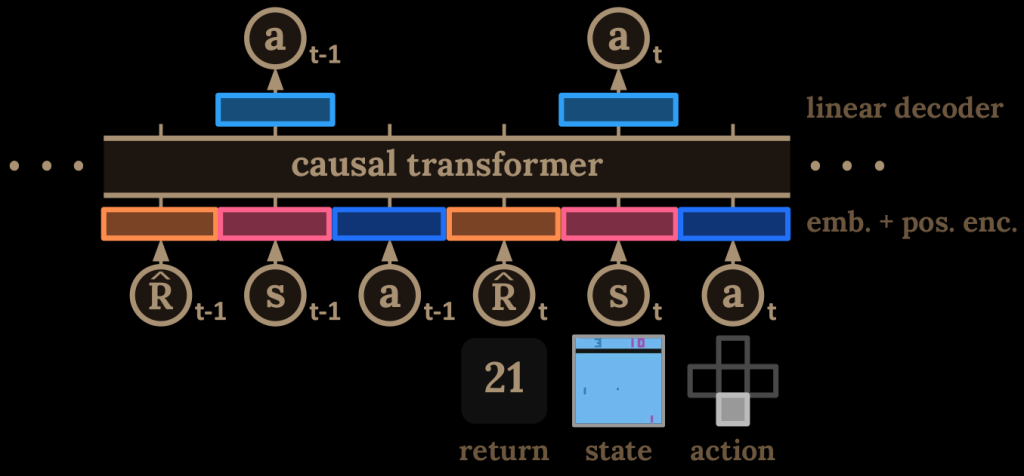
In the ever-evolving landscape of artificial intelligence, new breakthroughs continue to shape the way we approach complex problems. One such advancement that has gained significant attention is the Decision Transformer Model. These models, inspired by the success of the original Transformer architecture, offer a fresh perspective on decision-making tasks, with a broad range of applications across various industries. In this article, we delve into the world of Decision Transformer Models, exploring what they are and the manifold benefits they bring to the table.
Deciphering the Decision Transformer Model
At its core, a Decision Transformer Model can be understood as an extension of the Transformer architecture, a deep learning model that has proven to be highly effective in natural language processing tasks. While Transformers have primarily been used for sequence-to-sequence tasks like language translation and text generation, Decision Transformers are specifically designed for decision-making scenarios. These scenarios encompass a wide array of applications, from autonomous vehicles navigating complex environments to medical diagnoses, financial predictions, and even strategic business planning.
The key feature that sets Decision Transformers apart is their ability to incorporate structured and unstructured data seamlessly. They can handle various data types, such as text, images, and numerical data, making them versatile tools for tackling real-world problems. Decision Transformers excel in tasks where the outcome is influenced by a combination of data sources and where understanding the relationships between these sources is crucial.
Benefits of Decision Transformer Models
Now, let’s explore the benefits of adopting Decision Transformer Models in different domains:
1. Improved Decision-Making Accuracy
One of the primary advantages of Decision Transformers is their ability to make more accurate decisions. By effectively processing and integrating diverse data sources, these models can provide a more comprehensive understanding of the situation at hand. This results in better-informed decisions, reducing the likelihood of errors and improving overall accuracy.
2. Enhanced Explainability
Explainability is a critical factor in decision-making processes, especially in fields like healthcare and finance. Decision Transformers are designed to provide insights into their decision-making process. They can reveal the factors and data points that influenced a particular decision, thereby increasing transparency and trust in AI systems.
3. Adaptability
The flexibility of Decision Transformer Models makes them adaptable to various domains and tasks. This adaptability is particularly valuable when it comes to dealing with the unique challenges of different industries. For example, a Decision Transformer used in medical diagnosis can be fine-tuned for specific medical conditions, improving diagnostic accuracy.
4. Efficient Resource Utilization
Decision Transformers can work with a wide range of data inputs, allowing organizations to make the most of their existing data sources. This means that companies don’t have to start from scratch when implementing these models, ultimately saving time and resources.
5. Scalability
Decision Transformers can be scaled up to handle large datasets and complex decision-making scenarios. This scalability ensures that they can meet the demands of growing businesses and industries, making them future-proof solutions.
6. Speed and Automation
Decision Transformers can analyze data and make decisions rapidly, often in real-time. This is particularly beneficial in applications like autonomous vehicles, where split-second decisions can be a matter of life and death. In financial trading, automated decision-making based on real-time data can maximize returns and minimize losses.
7. Reduced Human Error
By automating decision-making processes, Decision Transformer Models reduce the likelihood of human error. In industries where precision is paramount, such as manufacturing and quality control, this can lead to substantial improvements in product quality and safety.
8. Cost Savings
The increased efficiency and accuracy of Decision Transformers can lead to significant cost savings in various industries. Whether it’s reducing medical misdiagnoses, optimizing supply chains, or automating customer service, these models have the potential to drive down operational costs.
Challenges and Considerations
While the benefits of Decision Transformer Models are impressive, it’s essential to consider the challenges they pose. One of the primary concerns is the need for substantial computational resources, particularly for large-scale applications. Moreover, ensuring data privacy and security is paramount, as these models often deal with sensitive information.
Additionally, the interpretability of Decision Transformers, while improved compared to some AI models, is still an ongoing challenge. Striking a balance between complex decision-making and human-understandable explanations remains a focus of research.
Conclusion
Decision Transformer Models represent a significant step forward in the field of artificial intelligence, offering a versatile and powerful approach to decision-making tasks. Their ability to handle diverse data types, improve decision accuracy, enhance explainability, and adapt to different domains makes them valuable assets for businesses and industries across the board. While challenges persist, the benefits they bring to the table are undeniable. Embracing Decision Transformers can lead to more efficient, accurate, and informed decision-making processes, with the potential for substantial economic and societal impact. As this technology continues to evolve, the future of decision-making looks brighter than ever.
In the ever-evolving landscape of Information Technology (IT), staying ahead of the curve is imperative for businesses and professionals alike. With the rapid advancements in artificial intelligence and natural language processing, a powerful tool has emerged to revolutionize the way IT operates – ChatGPT. In this article, we will explore the capabilities of ChatGPT for information technology and delve into the potential of custom ChatGPT apps to reshape the industry.
ChatGPT: A Game-Changer for IT
ChatGPT, powered by OpenAI’s cutting-edge GPT-3.5 architecture, represents a breakthrough in AI-driven conversational agents. It has the ability to understand and generate human-like text, making it a versatile tool for a wide range of applications within the IT sector.
1. Enhanced Customer Support
One of the most impactful applications of ChatGPT in IT is the improvement of customer support. With a custom ChatGPT app, businesses can offer 24/7 assistance to their customers. These virtual agents can provide immediate responses to frequently asked questions, troubleshoot common technical issues, and even guide users through complex software setups.
2. Automated Data Analysis
In data-driven IT environments, ChatGPT can assist in data analysis and reporting. By integrating ChatGPT into data analytics tools, IT professionals can converse with the AI to obtain insights and generate reports. This streamlines the decision-making process and accelerates the identification of trends and anomalies.
3. Code Generation and Debugging
For software developers, ChatGPT can be a valuable partner in coding tasks. Developers can collaborate with ChatGPT to generate code snippets, review and optimize existing code, and even debug programs. This not only boosts productivity but also ensures code quality.
4. Training and Knowledge Sharing
IT teams can use ChatGPT to create interactive training modules and knowledge-sharing platforms. This facilitates the onboarding of new employees and enables knowledge transfer within organizations. ChatGPT can answer questions, provide explanations, and offer real-time guidance.
5. Cybersecurity
In the realm of cybersecurity, ChatGPT plays a crucial role in threat detection and response. It can analyze vast amounts of network data in real time, identify potential security breaches, and recommend countermeasures. Moreover, ChatGPT can assist IT professionals in crafting robust security policies and procedures.
Custom ChatGPT Apps: Tailoring AI to Your Needs
While ChatGPT’s out-of-the-box capabilities are impressive, the true power lies in customization. Developing a custom ChatGPT app tailored to the specific needs of your IT operation can significantly amplify its impact. Here’s how:
1. Domain-specific Knowledge
A custom ChatGPT app can be trained on domain-specific data, making it exceptionally proficient in handling industry-specific queries. For IT professionals, this means having an AI assistant that understands the nuances of software development, network administration, cloud computing, or any other specialized area.
2. Custom Workflows
IT processes often involve a series of interconnected tasks. A custom ChatGPT app can be integrated into your workflow, allowing for seamless automation of routine tasks. It can follow custom protocols, execute predefined actions, and provide status updates, all through natural language interactions.
3. Data Privacy and Security
Security is paramount in IT. When you build a custom ChatGPT app, you have greater control over data privacy and security. You can ensure that sensitive information remains within your organization’s boundaries, safeguarding against data breaches and unauthorized access.
4. Scalability
As your IT operation grows, so can your custom ChatGPT app. You can continuously train and expand its capabilities to keep up with evolving demands. This scalability ensures that your AI assistant remains an invaluable asset over time.
5. Brand Consistency
A custom ChatGPT app can be designed to adhere to your organization’s brand guidelines and tone of voice. This consistency helps in building a strong brand identity and ensures a seamless customer experience.
Case Study: Leveraging ChatGPT for IT Success
To illustrate the potential of ChatGPT in IT, let’s consider a hypothetical scenario involving a software development company, “TechSprint.”
TechSprint was facing challenges in providing timely support to its customers, which often led to frustration and decreased customer satisfaction. They decided to develop a custom ChatGPT app named “TechSupportBot.”
Development and Deployment
TechSprint’s IT team collaborated with AI experts to create TechSupportBot. This custom ChatGPT app was trained on a vast dataset of the company’s product documentation, FAQs, and historical customer interactions. The app was integrated into the company’s website and software products.
Improved Customer Support
With TechSupportBot in place, customers visiting TechSprint’s website could instantly chat with the virtual assistant. TechSupportBot could answer product-related queries, troubleshoot issues, and even provide step-by-step guides for common tasks. The result? A significant reduction in support ticket volume and happier customers.
Enhanced Productivity
Behind the scenes, TechSupportBot assisted TechSprint’s developers by generating code snippets for common tasks and helping with debugging. This streamlined the development process, allowing the team to focus on more complex challenges.
Knowledge Sharing
TechSprint also used TechSupportBot internally to create a knowledge-sharing platform for its developers. New hires could quickly get up to speed, and seasoned developers could access a wealth of information by conversing with the AI assistant.
Continuous Improvement
Over time, TechSprint continued to train TechSupportBot with new data, ensuring that it remained up-to-date with the latest product releases and customer inquiries. The app evolved to handle more complex tasks, further improving customer satisfaction.
Conclusion: Charting the Future with Custom ChatGPT Apps
ChatGPT for IT is not just a trend; it’s a transformative force that can reshape how IT operations function. From enhancing customer support to automating data analysis and aiding in code generation, ChatGPT offers a wide array of benefits.
Custom ChatGPT app take this transformation to the next level, allowing organizations to harness the power of AI in a way that aligns with their unique needs and objectives. As demonstrated by TechSprint, these custom apps can deliver substantial improvements in customer satisfaction, productivity, and knowledge sharing.
In the rapidly evolving world of IT, staying ahead requires innovation, and ChatGPT-powered custom apps represent the future of intelligent automation and assistance. Embrace the potential of ChatGPT for information technology, and you’ll find yourself charting a path toward greater efficiency, improved customer experiences, and a more competitive edge in the IT industry.



 Tech Knowledge