Introduction
The manufacturing industry is undergoing a profound transformation with the integration of Artificial Intelligence (AI). AI technologies are reshaping various aspects of manufacturing, enhancing efficiency, reducing costs, and improving overall productivity. In this article, we will delve into four crucial use cases of AI in manufacturing, focusing on predictive maintenance, inventory management, production planning, and procurement.
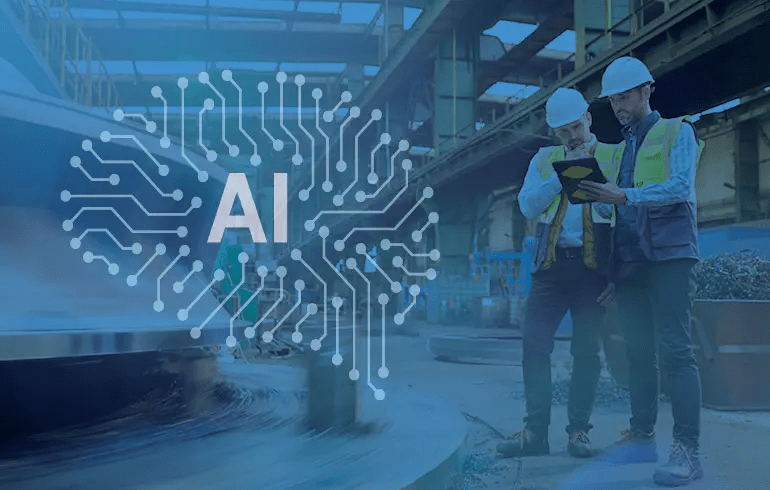
- AI in Predictive Maintenance
Predictive maintenance is a critical aspect of modern manufacturing, aiming to predict equipment failures before they occur, minimizing downtime, and optimizing maintenance schedules. AI in predictive maintenance plays a pivotal role in revolutionizing it through the following mechanisms:
a. Condition Monitoring:
AI-powered sensors and IoT devices are deployed on manufacturing equipment to continuously monitor their condition. These devices collect real-time data on various parameters such as temperature, vibration, and performance. AI algorithms analyze this data, identifying patterns and anomalies that may indicate potential issues.
b. Predictive Analytics:
Utilizing machine learning algorithms, predictive analytics assess historical data to predict when equipment is likely to fail. By considering patterns and trends, AI systems can provide accurate predictions, allowing manufacturers to schedule maintenance activities during planned downtime, minimizing disruptions to production.
c. Prescriptive Maintenance:
AI not only predicts potential failures but also offers prescriptive insights on the best course of action. By analyzing historical maintenance data, equipment performance, and environmental conditions, AI systems can recommend optimal maintenance strategies, ensuring that resources are used efficiently.
d. Reduced Downtime and Costs:
Implementing AI in predictive maintenance significantly reduces unplanned downtime, as maintenance activities are scheduled based on actual equipment conditions. This leads to cost savings, improved asset reliability, and enhanced overall operational efficiency.
- AI in Inventory Management
Effective inventory management is crucial for maintaining seamless production processes while minimizing carrying costs. AI in inventory management provides advanced tools for optimization, demand forecasting, and real-time decision-making:
a. Demand Forecasting:
AI algorithms analyze historical sales data, market trends, and external factors to predict future demand accurately. This helps manufacturers optimize inventory levels, preventing overstocking or stockouts and ensuring that the right amount of raw materials or finished goods is available when needed.
b. Dynamic Inventory Optimization:
AI continuously evaluates inventory levels and adjusts them dynamically based on changing demand patterns. This real-time optimization ensures that inventory is aligned with current market conditions, reducing holding costs and improving cash flow.
c. Supplier Collaboration:
AI facilitates collaboration with suppliers by providing real-time insights into inventory levels and demand forecasts. This enables a more agile and responsive supply chain, fostering stronger relationships with suppliers and ensuring a smoother flow of materials.
d. Reduction in Holding Costs:
By optimizing inventory levels and preventing excess stock, AI helps manufacturers reduce holding costs associated with storage, insurance, and depreciation. This results in improved profitability and resource allocation.
- AI in Production Planning
Efficient production planning is vital for meeting customer demands, minimizing lead times, and optimizing resource utilization. AI in production planning introduces intelligence into processes through the following mechanisms:
a. Demand-Side Planning:
AI analyzes customer orders, market demand, and historical sales data to create accurate demand forecasts. This information is then used to develop production plans that align with actual market needs, reducing the risk of overproduction or stockouts.
b. Resource Optimization:
AI algorithms consider various factors, such as machine capacity, labor availability, and raw material availability, to optimize production schedules. This ensures that resources are allocated efficiently, reducing idle time and enhancing overall production efficiency.
c. Dynamic Scheduling:
AI enables dynamic scheduling, allowing manufacturers to adapt quickly to changing circumstances. Whether it’s unexpected machine breakdowns, changes in demand, or supply chain disruptions, AI-driven production planning can adjust schedules in real-time to maintain optimal efficiency.
d. Improved Lead Times:
By streamlining production planning processes and minimizing bottlenecks, AI contributes to reduced lead times. This agility in production planning allows manufacturers to respond promptly to market changes and deliver products to customers more quickly.
- AI in Procurement
Effective procurement is essential for securing the necessary raw materials and components to support manufacturing operations. AI in procurement transforms these processes by introducing automation, data-driven decision-making, and enhanced collaboration:
a. Supplier Risk Management:
AI analyzes data from various sources, including market trends, geopolitical factors, and supplier performance, to assess and manage supplier risks. This proactive approach helps manufacturers mitigate potential disruptions in the supply chain.
b. Cost Optimization:
AI-driven tools evaluate supplier quotes, historical pricing data, and market conditions to negotiate favorable terms and prices. This ensures that manufacturers secure the best possible deals, contributing to cost optimization and improved profitability.
c. Automated Procurement Workflows:
AI automates routine procurement tasks such as order processing, invoice validation, and supplier communication. This reduces manual workload, minimizes errors, and streamlines the entire procurement workflow.
d. Data-Driven Decision-Making:
AI utilizes vast amounts of data to provide actionable insights for decision-making in procurement. From identifying cost-saving opportunities to assessing supplier performance, AI ensures that decisions are based on comprehensive and accurate information.
Conclusion
The integration of AI in manufacturing across predictive maintenance, inventory management, production planning, and procurement is ushering in a new era of efficiency, productivity, and competitiveness. Manufacturers embracing AI technologies gain a strategic edge by optimizing operations, reducing costs, and enhancing overall agility in responding to market dynamics. As the manufacturing landscape continues to evolve, the transformative impact of AI is clear, establishing itself as a cornerstone for the future of modern manufacturing.
 Tech Knowledge