Introduction:
In the dynamic realm of hospitality, Artificial Intelligence (AI) is reshaping the landscape, enhancing guest experiences, optimizing operations, and driving unprecedented efficiency. From personalized services to streamlined management, let’s delve into the transformative AI use cases in hospitality.
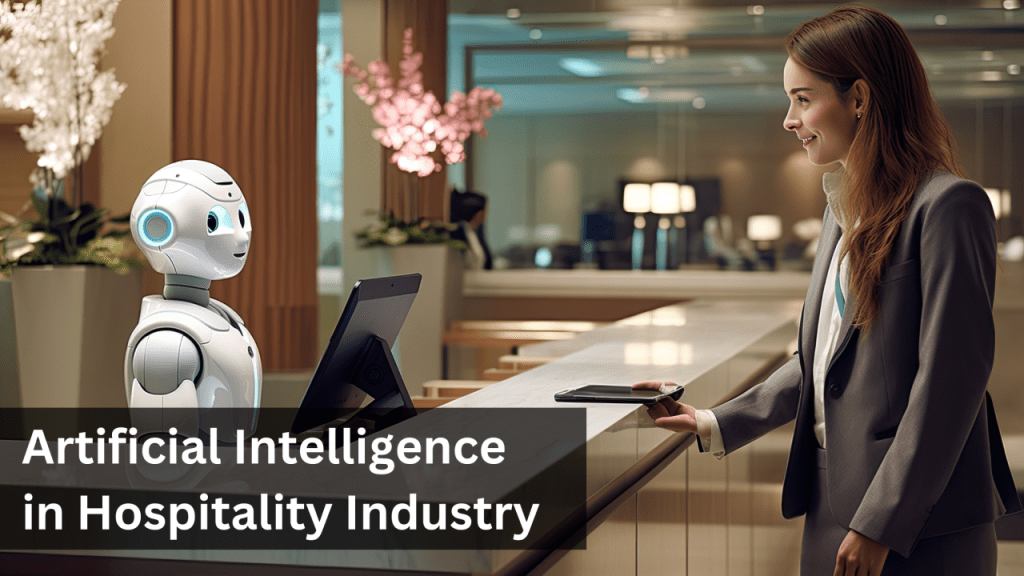
1. AI-Powered Personalization: Elevating Guest Experiences
AI in hospitality is redefining personalization. Leveraging guest data and preferences, AI algorithms curate personalized recommendations, from room amenities to dining options. This not only creates memorable stays but also fosters guest loyalty, a crucial factor in the competitive hospitality industry.
2. Chatbots and Virtual Assistants: Enhancing Customer Service
Incorporating AI-driven chatbots and virtual assistants simplifies guest interactions. From booking inquiries to room service requests, these smart tools provide instant responses, enhancing efficiency and guest satisfaction. AI for hospitality ensures round-the-clock availability and quick problem resolution, augmenting the overall service quality.
3. Predictive Analytics for Demand Forecasting: Optimizing Inventory and Staffing
AI’s predictive analytics capabilities empower hospitality businesses to forecast demand accurately. By analyzing historical data, market trends, and external factors, AI assists in optimizing inventory levels and staffing requirements. This not only reduces operational costs but also ensures a seamless and responsive guest experience.
4. Facial Recognition Technology: Streamlining Check-In Processes
Revolutionizing the check-in process, facial recognition technology expedites guest arrivals. AI in hospitality allows guests to check in seamlessly, eliminating the need for traditional identification methods. This not only enhances security but also adds a touch of modernity to the guest experience.
5. AI-Enhanced Revenue Management: Dynamic Pricing Strategies
Dynamic pricing is a game-changer for hotels, and AI is at the forefront of this transformation. Through continuous analysis of market conditions, competitor pricing, and historical data, AI systems adjust room rates in real-time. This enables hotels to maximize revenue during peak periods and optimize occupancy during slower times.
6. IoT Integration for Smart Rooms: A Futuristic Guest Experience
AI’s synergy with the Internet of Things (IoT) brings forth smart rooms that anticipate and cater to guests’ needs. From adjusting room temperatures to setting personalized lighting preferences, AI-driven IoT enhances comfort and convenience. Voice-activated assistants further elevate the level of interaction, creating a futuristic and tech-savvy ambiance.
7. Sentiment Analysis for Reputation Management: Upholding Brand Image
Maintaining a positive online reputation is paramount in the hospitality industry. AI tools analyze guest reviews and social media sentiments to gauge customer satisfaction. By identifying trends and potential issues, hotels can address concerns promptly, ensuring a positive brand image and influencing potential guests positively.
Conclusion:
The integration of AI in hospitality is a strategic imperative for establishments aiming to stay ahead in a competitive market. From elevating guest experiences through personalization to optimizing operational efficiency, AI brings a myriad of benefits. As the industry continues to evolve, embracing these innovative technologies is not just an option but a necessity for those striving for excellence in the world of hospitality.
 Tech Knowledge