In the ever-evolving landscape of artificial intelligence, new breakthroughs continue to shape the way we approach complex problems. One such advancement that has gained significant attention is the Decision Transformer Model. These models, inspired by the success of the original Transformer architecture, offer a fresh perspective on decision-making tasks, with a broad range of applications across various industries. In this article, we delve into the world of Decision Transformer Models, exploring what they are and the manifold benefits they bring to the table.
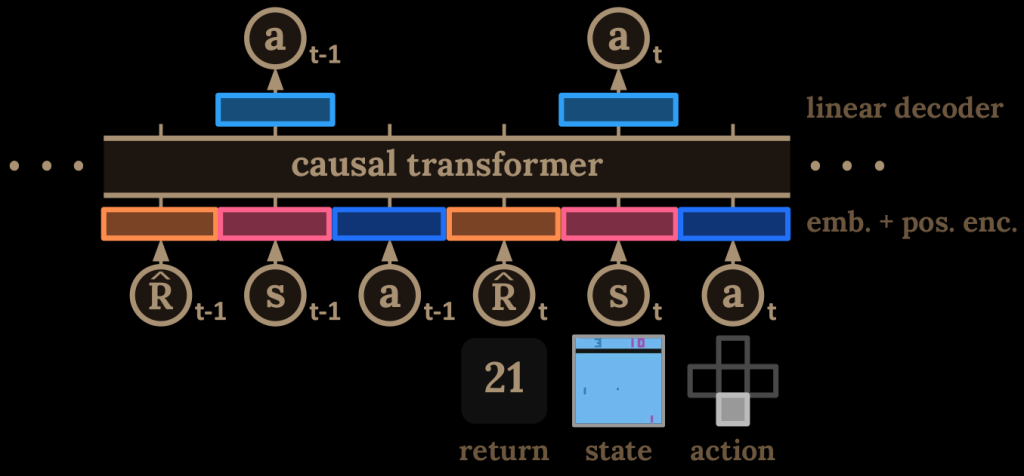
Deciphering the Decision Transformer Model
At its core, a Decision Transformer Model can be understood as an extension of the Transformer architecture, a deep learning model that has proven to be highly effective in natural language processing tasks. While Transformers have primarily been used for sequence-to-sequence tasks like language translation and text generation, Decision Transformers are specifically designed for decision-making scenarios. These scenarios encompass a wide array of applications, from autonomous vehicles navigating complex environments to medical diagnoses, financial predictions, and even strategic business planning.
The key feature that sets Decision Transformers apart is their ability to incorporate structured and unstructured data seamlessly. They can handle various data types, such as text, images, and numerical data, making them versatile tools for tackling real-world problems. Decision Transformers excel in tasks where the outcome is influenced by a combination of data sources and where understanding the relationships between these sources is crucial.
Benefits of Decision Transformer Models
Now, let’s explore the benefits of adopting Decision Transformer Models in different domains:
1. Improved Decision-Making Accuracy
One of the primary advantages of Decision Transformers is their ability to make more accurate decisions. By effectively processing and integrating diverse data sources, these models can provide a more comprehensive understanding of the situation at hand. This results in better-informed decisions, reducing the likelihood of errors and improving overall accuracy.
2. Enhanced Explainability
Explainability is a critical factor in decision-making processes, especially in fields like healthcare and finance. Decision Transformers are designed to provide insights into their decision-making process. They can reveal the factors and data points that influenced a particular decision, thereby increasing transparency and trust in AI systems.
3. Adaptability
The flexibility of Decision Transformer Models makes them adaptable to various domains and tasks. This adaptability is particularly valuable when it comes to dealing with the unique challenges of different industries. For example, a Decision Transformer used in medical diagnosis can be fine-tuned for specific medical conditions, improving diagnostic accuracy.
4. Efficient Resource Utilization
Decision Transformers can work with a wide range of data inputs, allowing organizations to make the most of their existing data sources. This means that companies don’t have to start from scratch when implementing these models, ultimately saving time and resources.
5. Scalability
Decision Transformers can be scaled up to handle large datasets and complex decision-making scenarios. This scalability ensures that they can meet the demands of growing businesses and industries, making them future-proof solutions.
6. Speed and Automation
Decision Transformers can analyze data and make decisions rapidly, often in real-time. This is particularly beneficial in applications like autonomous vehicles, where split-second decisions can be a matter of life and death. In financial trading, automated decision-making based on real-time data can maximize returns and minimize losses.
7. Reduced Human Error
By automating decision-making processes, Decision Transformer Models reduce the likelihood of human error. In industries where precision is paramount, such as manufacturing and quality control, this can lead to substantial improvements in product quality and safety.
8. Cost Savings
The increased efficiency and accuracy of Decision Transformers can lead to significant cost savings in various industries. Whether it’s reducing medical misdiagnoses, optimizing supply chains, or automating customer service, these models have the potential to drive down operational costs.
Challenges and Considerations
While the benefits of Decision Transformer Models are impressive, it’s essential to consider the challenges they pose. One of the primary concerns is the need for substantial computational resources, particularly for large-scale applications. Moreover, ensuring data privacy and security is paramount, as these models often deal with sensitive information.
Additionally, the interpretability of Decision Transformers, while improved compared to some AI models, is still an ongoing challenge. Striking a balance between complex decision-making and human-understandable explanations remains a focus of research.
Conclusion
Decision Transformer Models represent a significant step forward in the field of artificial intelligence, offering a versatile and powerful approach to decision-making tasks. Their ability to handle diverse data types, improve decision accuracy, enhance explainability, and adapt to different domains makes them valuable assets for businesses and industries across the board. While challenges persist, the benefits they bring to the table are undeniable. Embracing Decision Transformers can lead to more efficient, accurate, and informed decision-making processes, with the potential for substantial economic and societal impact. As this technology continues to evolve, the future of decision-making looks brighter than ever.
 Tech Knowledge